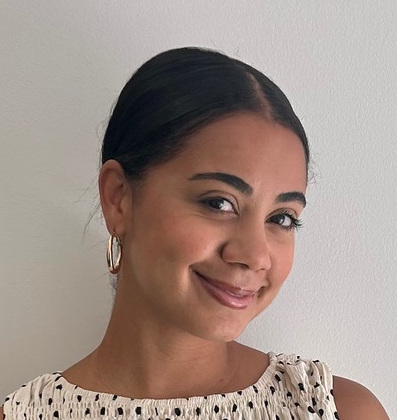
Area of Focus
Client Focus
Therapy Format
Languages
Education
-
McMaster University
Master of Science in Psychotherapy -
Laurentian University
Bachelor of Arts in Psychology
Pheona Roberts
Registered Psychotherapist
(Qualifying)
In-person appointments in North York and online therapy across Ontario.
About me
Sometimes the hardest seasons do not begin with one clear event. They build quietly through anxious thoughts, heavy emotions, difficult relationship patterns, or coping strategies that no longer feel sustainable. You may find yourself overthinking, feeling disconnected, reacting more intensely than you would like, or repeating familiar cycles without knowing how to step outside of them.
Our work may involve learning to manage distress, respond differently to intrusive thoughts, strengthen emotional regulation, set healthier boundaries, or navigate relationship and attachment-related difficulties. Together, we can make space for the thoughts, emotions, experiences, and circumstances that have shaped what you are carrying, while gently exploring what may help you feel more supported, steady, and grounded.
My approach to therapy is warm, collaborative, and grounded in curiosity. I am trained in Cognitive Behavioural Therapy (CBT) and incorporate approaches informed by Dialectical Behaviour Therapy (DBT), Acceptance and Commitment Therapy (ACT), Exposure and Response Prevention (ERP), and Solution-Focused Therapy. Rather than taking a one-size-fits-all approach, I tailor our work to your individual needs, goals, strengths, and readiness for change.
Starting therapy can feel vulnerable, especially when you are unsure how to explain what you are experiencing or where to begin. You do not need to arrive with the right words or a clear plan. Our work can begin with creating a space where you feel seen, heard, and supported.
Modalities Used by Pheona
- Cognitive Behavioural Therapy (CBT)
- Dialectical Behaviour Therapy (DBT)
- Acceptance and Commitment Therapy (ACT)
- Exposure and Response Prevention (ERP)
- Solution-Focused Therapy
Pheona's experience
- Anxiety, OCD & Emotional Regulation: Much of my clinical experience has involved supporting individuals who feel overwhelmed by anxiety, intrusive thoughts, compulsive patterns, intense emotions, or difficulty regulating their responses. These experiences can leave people caught in cycles of fear, avoidance, self-doubt, and emotional overwhelm that can be difficult to step outside of alone. In our work together, we may explore the patterns maintaining your distress, what difficult emotions may be communicating, and how to gradually approach what has come to feel threatening. By practising new ways of responding and creating corrective experiences, the aim is to build greater emotional steadiness, flexibility, and trust in your ability to cope.
- Relationships, Attachment & Life Transitions: Connection is central to our well-being. The work we do within ourselves is deeply important, but so is how we communicate, set boundaries, respond to conflict, express our needs, and allow ourselves to be known in relationships. I support clients in navigating relationship difficulties, attachment injuries, identity shifts, and significant life transitions. Together, we may also explore how earlier experiences continue to shape present-day expectations, fears, emotional responses, and coping strategies, while identifying new ways of relating to yourself and others.
- Victim Services & Justice System Support: I also bring more than five years of professional experience supporting individuals impacted by crime, court involvement, and complex legal systems. Through this work, I have supported people through periods of uncertainty, emotional distress, disruption, and loss of control. This experience has strengthened my commitment to compassionate, trauma-informed care that prioritizes choice, safety, dignity, and pacing when supporting people through difficult or destabilizing circumstances.
- Culturally Responsive & Identity-Affirming Care: I recognize that emotional well-being does not exist separately from culture, identity, family, community, and lived experience. The ways we understand connection, distress, support, and healing are often shaped by the identities we hold and the environments we move through. I approach therapy with cultural humility and curiosity, making space for conversations about identity, belonging, family expectations, race, migration, marginalization, and other experiences that may be important to how you understand yourself and your life. My goal is not to make assumptions, but to understand your experiences within the context of the life you have lived and the communities that have shaped you.
Fun Facts
I love learning about different cultures through food and local tradiPons, and travel has always been one of my favourite ways to experience both. When I’m closer to home, I enjoy exploring the restaurants, street fesPvals, neighbourhoods, and hidden gems that make Toronto so vibrant.